

Daily habits · Jakarta
How Daily Habits Shape Blood Circulation
Circulation is influenced less by any single choice and more by the pattern of an ordinary day. This page looks at four habits that show up in public health guidance again and again: desk breaks, hydration, sleep, and tobacco avoidance.
Vasculindo · public education · Jakarta, Indonesia · reviewed November 2026
Reading time about 9 minutes
Why the pattern matters
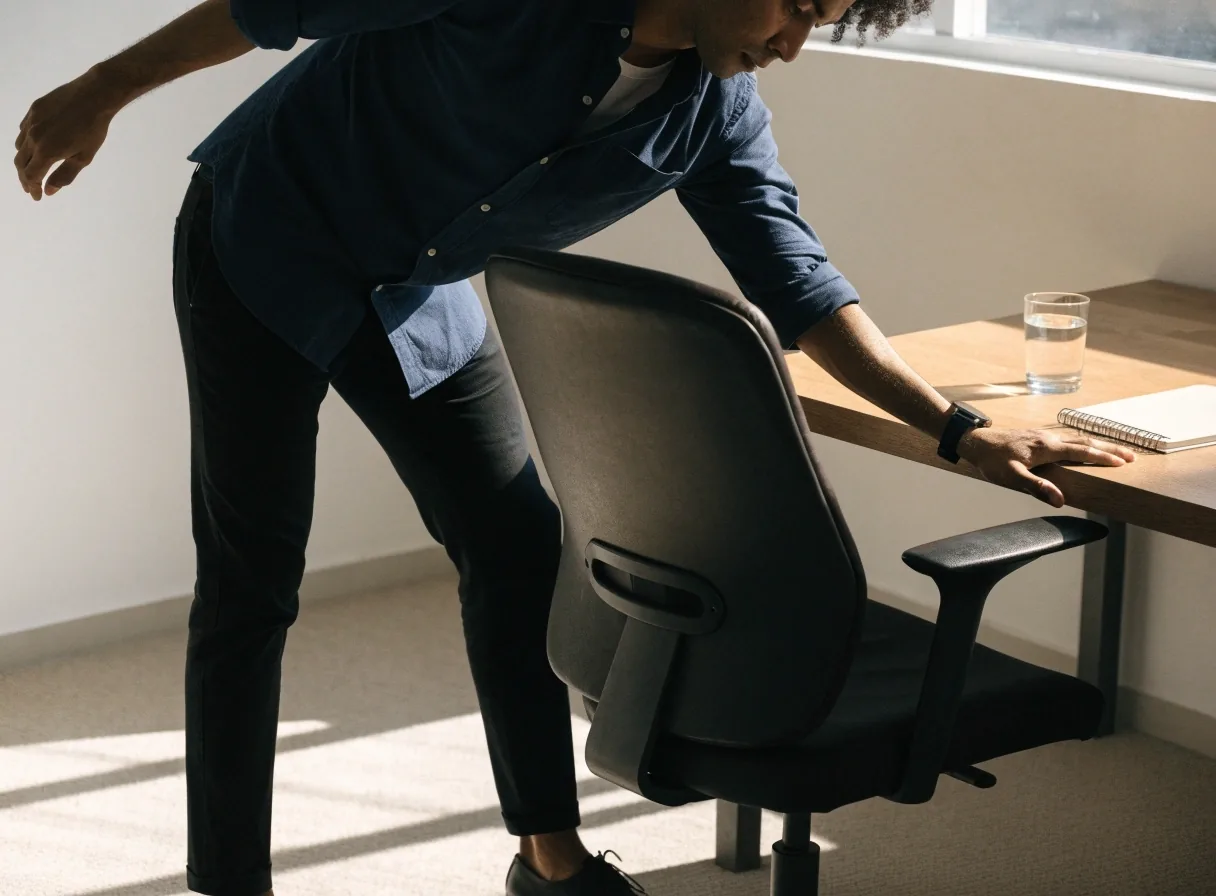
Office desk · Jakarta · midday
Four levers most adults can reach without waiting for a clinic appointment
Desk breaks, hydration, sleep, and tobacco avoidance show up in vascular-health guidance again and again because they are the parts of the day you actually control. None of them is exotic. None of them needs equipment. What makes them work is repetition, not intensity — the small choices you repeat most days do more for blood flow than one heroic effort on a weekend.
They also connect to each other. A night of decent sleep makes a morning walk easier to start. Regular movement through the day makes it easier to fall asleep at night. Water within reach makes a desk break feel natural instead of forced. And staying away from tobacco removes one of the heaviest drags on the whole system. That is why the four habits appear together in this reading rather than as separate checklists.
This page covers what each habit does for circulation, how it fits an ordinary working day, and how to start with whichever one feels achievable this week. Diet and stress are related, and they are covered separately; the four habits here are the ones you can act on directly.
Desk breaks: interrupting sitting time
Long uninterrupted sitting slows blood flow in the legs. Vascular-health guidance recommends repeated movement breaks during long sitting periods, with standing, stretching, and short walks as the common suggestions.
A practical version: stand up every 30 to 60 minutes, even for two minutes. Walk to refill your water, stretch your calves, take a short loop around the room. The frequency matters more than the duration.
A desk-break pattern that fits a working day
- First hour at the desk: stand once, roll the ankles, sip water.
- Mid-morning: a two-minute walk to the pantry or the stairwell landing.
- After lunch: a short loop around the floor, then back to the chair.
- Late afternoon: calves and hamstrings stretched at the desk edge before the commute.
If you take calls standing, or set a quiet reminder on your phone, the pattern holds without needing a formal break slot in the calendar.
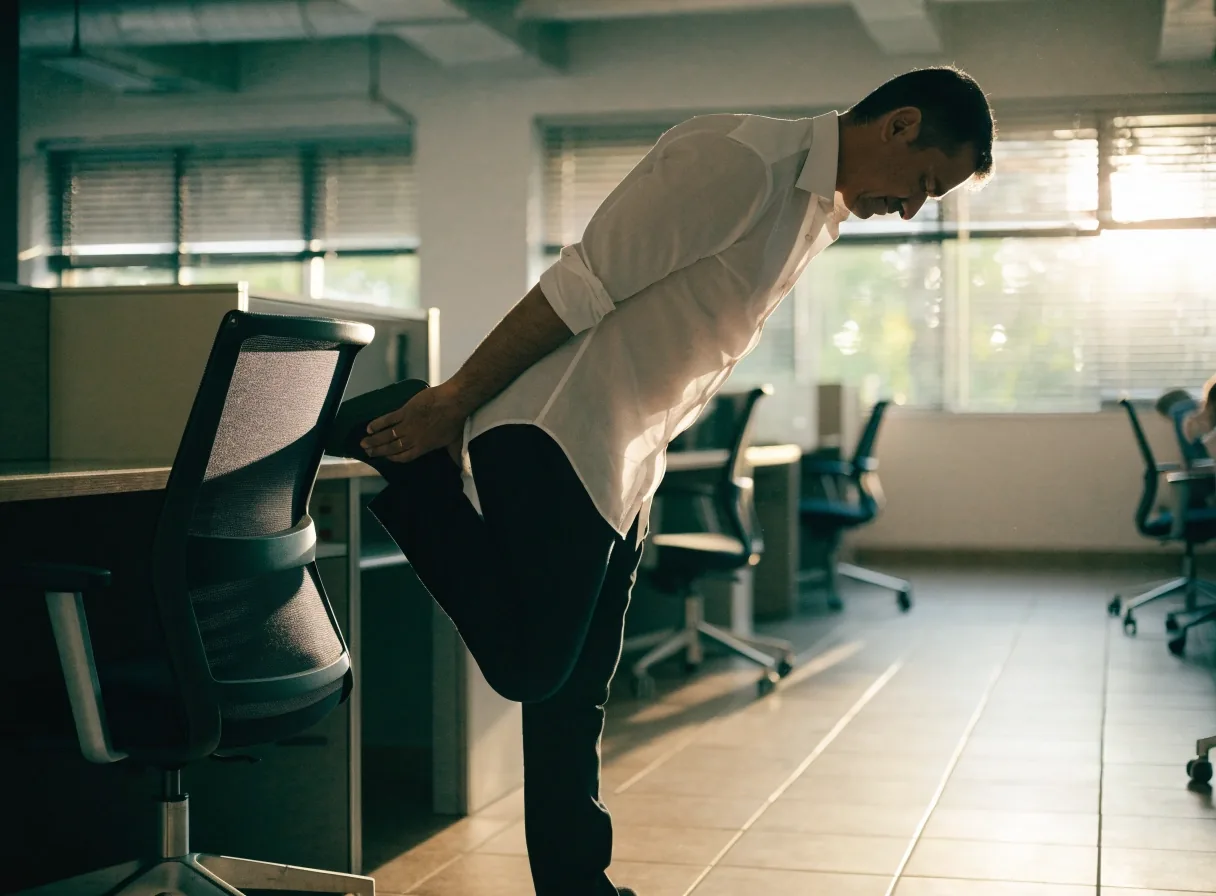
Office floor · Jakarta · mid-afternoon
Standing up for two minutes interrupts the sitting block without needing a change of clothes or a trip to the gym.

Commuter line · Jakarta · midday · hydration chapter
Water within reach through the day
Hydration: keeping blood volume steady
Blood is roughly 90 percent water. When you're dehydrated, blood volume drops slightly and the heart works a little harder to circulate what's there. In Indonesia's climate, this happens faster than many people expect.
You don't need a specific number of liters. You need consistent intake through the day. A glass of water with each meal, plus more during and after activity, covers most adults. Urine that's pale yellow is a reasonable everyday check.
Morning
Start before thirst
A glass on waking replaces what the night took, before the commute adds heat.
Work hours
Sip alongside the work
A bottle on the desk you actually refill beats an intention you keep meaning to act on.
Evening
Top up after movement
Any walk, ride, or gym session replaces fluid. Drink after, not only during.
Coffee and tea count toward the day's fluid, though the caffeine in the afternoon can work against the sleep habit below. Alcohol is best kept light; it dehydrates as much as it relaxes.
Movement is the one you can start today
Regular movement makes the other three habits easier
Sleep, water, and tobacco avoidance all get simpler when your body is used to moving. You do not need a structured programme to start — a twenty-minute walk most mornings counts, and so does taking the stairs once more than you usually would.
Next chapter · Sleep and the nightly recovery window
Movement & Exercise · next step
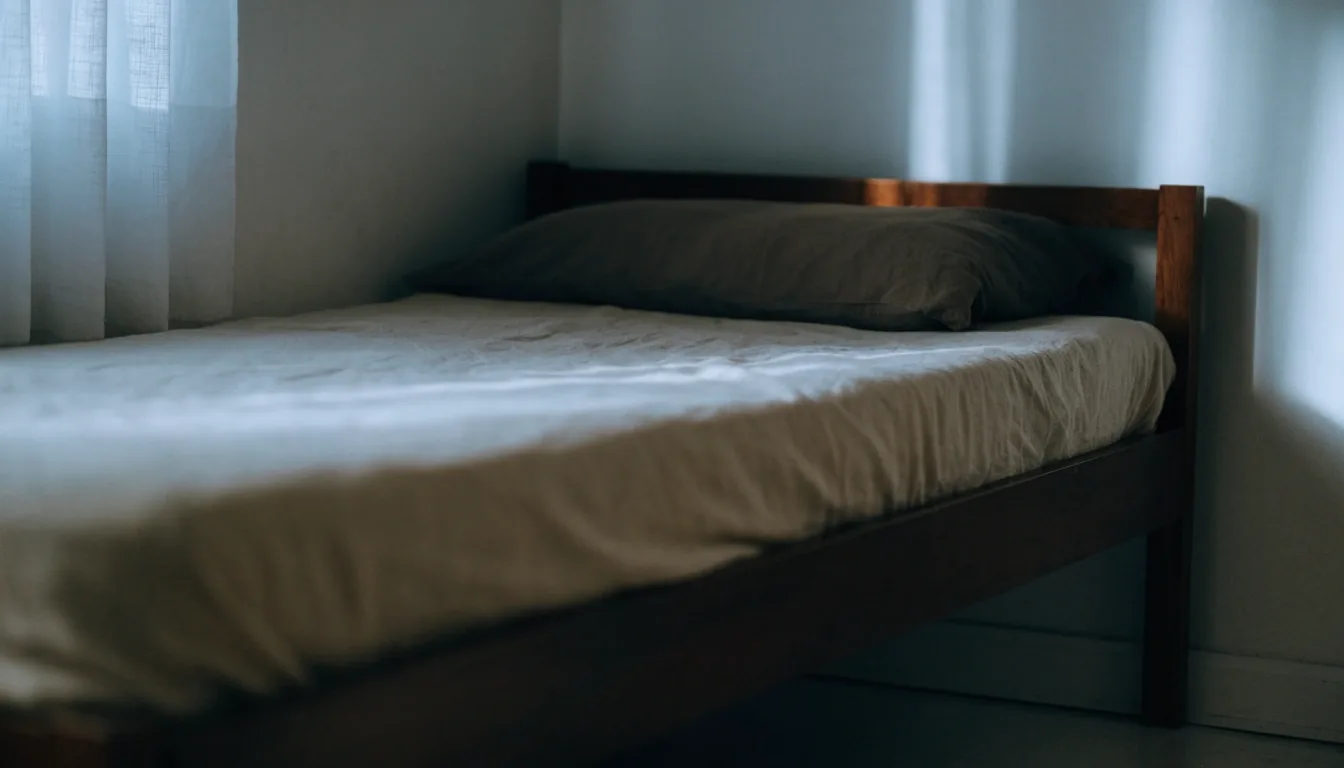
Home bedroom · Jakarta · early morning · sleep chapter
Seven to nine hours, consistent time
Sleep as recovery, not reward
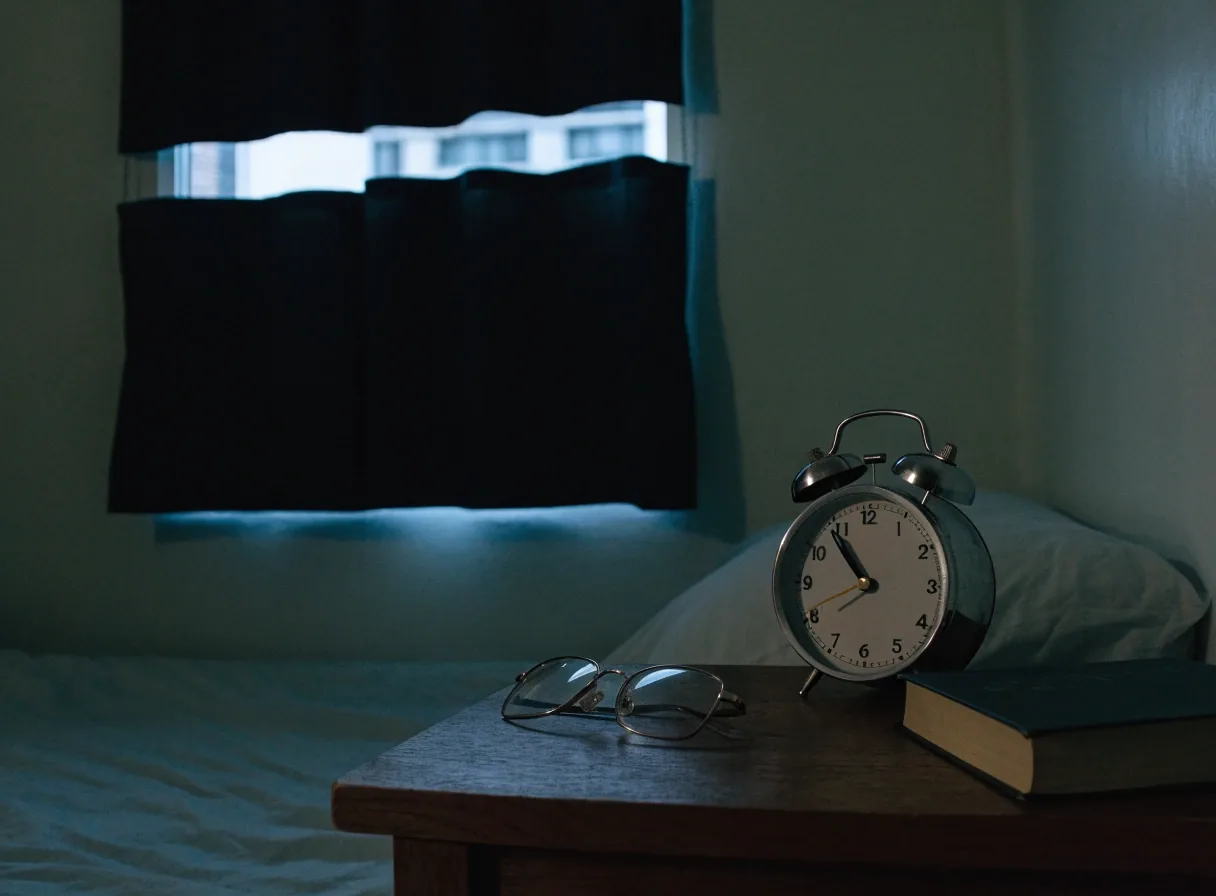
Bedside · Jakarta · before sunrise
Sleep: the nightly recovery window
Blood pressure dips naturally during deep sleep, giving blood vessels a window to recover from the day. Chronic short sleep keeps pressure elevated and is associated with poorer vascular function over time.
Most adults do best with seven to nine hours. The quality matters too: a consistent sleep and wake time, a dark and cool room, and limiting screens and caffeine close to bedtime all help.
A short evening wind-down that supports the dip
- Last coffee or strong tea before early afternoon.
- Screens off about thirty minutes before you get into bed.
- Same bedtime and wake time, weekends included where possible.
- Cool room, dark curtains, a light blanket rather than a heavy one.

Open courtyard · Jakarta · midday · tobacco-avoidance chapter
Stopping is the clearest lever
Tobacco avoidance: the clearest lever
Smoking damages the lining of blood vessels and accelerates the stiffening that normally takes decades. It also raises blood pressure and reduces oxygen in the blood. For vascular health, stopping is the single highest-value change available.
If you smoke and want to stop, support is available through healthcare providers and quit lines. Reducing is better than nothing, but stopping is where the vascular benefits are clearest.
Secondhand smoke matters too. A smoke-free home and car protects the people around you from the same vessel irritation, and it makes your own quit attempt easier to keep.
What stopping changes
Pressure, oxygen, vessel lining
Removing tobacco reduces the daily irritation that raises blood pressure and starves tissue of oxygen, and it slows the stiffening that would otherwise accelerate.
Where to get support
Your doctor or a local quit line can walk you through patches, gum, prescriptions, and behavioural support. Combining methods tends to work better than going it alone.
Contact the editorial teamHow these habits reinforce each other
Good sleep makes morning exercise easier. Regular movement makes it easier to fall asleep. Staying hydrated makes desk breaks feel natural. Not smoking removes a major drag on all of the above.
The habits are connected, which is why fixing one often makes the others easier. Start with whichever feels most achievable this week.
If you are not sure where to start, desk breaks are usually the lowest-friction entry point. They cost no extra time and they give you an immediate, visible cue that the day has changed.
A simple daily template
A shape for the day, not a strict schedule
If the four habits feel like four separate projects, this is the version that fits an ordinary Jakarta working day. Adjust the hours to your own routine; the order matters more than the clock.
Morning
A glass of water on waking, then 20 to 30 minutes of movement before the day starts.
Work hours
Stand up once every hour. Keep water within reach. Take the short walk instead of the message.
Evening
A walk after dinner if the day was mostly sitting. Something light and unhurried.
Night
A consistent bedtime and screens off thirty minutes before. The dip does the rest of the work.
This isn't a strict schedule. It's a shape for the day that makes the four habits easier to keep.
What about stress and diet?
Stress raises blood pressure temporarily and, when chronic, can affect sleep and movement habits. Diet influences circulation through cholesterol, blood sugar, and blood pressure, and it's a topic we cover separately from the habit-focused pages here.
For this page, the point is that movement, hydration, sleep, and tobacco avoidance are four levers most adults can act on directly, without medical supervision.
If you have an existing heart or vascular condition, or you take medication that affects blood pressure or fluid balance, run any change past your doctor first. The habits are general guidance, not a substitute for care.
Questions readers ask about these habits
Short answers to the questions that come up most often about desk breaks, hydration, sleep, and tobacco avoidance.
Frequency How often should I get up from the desk?
Hydration Do I need a specific number of liters per day?
Sleep Does a weekend lie-in fix a short-sleep week?
Tobacco Is cutting down enough, or do I need to stop?
Starting Where should I start if I can only change one thing?
Where to go next
Start with the habit that fits this week
Vasculindo is a public-education reading room, not a clinic. The pages below go deeper on the habits that fit an ordinary working day in Jakarta.
Desk and commute
Short breaks and commute-time movement that fit a Jakarta working week.
Read desk and commute tipsUnderstanding circulation
How blood flow, blood pressure, and vessel function work together across the day.
Understanding circulationEditorial team
Questions about this page, or a topic you would like covered next? The editorial team reads every message.
Contact the editorial teamVasculindo · Jl. Jend. Sudirman No. 52, Senayan, Kebayoran Baru, Jakarta Selatan, DKI Jakarta 12190
Monday to Friday, 9:00 AM – 6:00 PM · +62 21 5299 7315 · [email protected]